Wild Child: A Playful Display Font for Engaging Web Designs
As a web designer, I recently embarked on a project to revamp a boutique online store. The goal was to create a more engaging and playful user experience, and the right font can make all the difference. Enter Wild Child, a cute, simple, and fun display font that embodies playfulness and authenticity.
Visual Characteristics and Personality of Wild Child
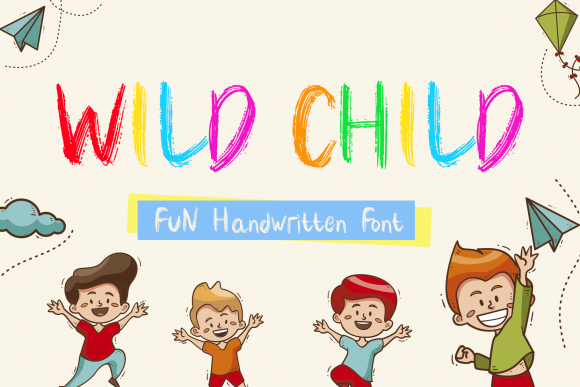
Wild Child is a premium font with a unique personality. Its playful, handwritten style makes it perfect for projects that need a touch of whimsy and charm. The font's clean lines and balanced proportions give it a modern yet approachable feel, making it an excellent choice for creative and child-friendly designs.
Using Wild Child in Website Headers and Hero Sections
One of the first places I tested Wild Child was in the hero section of the online store. The font's playful nature immediately set a welcoming tone, drawing visitors in with its friendly and inviting appearance. For the header, I used Wild Child in a larger size, which made the brand name stand out and added a memorable visual element to the page.
Readability and Visual Hierarchy
While Wild Child is visually appealing, it's important to consider readability, especially on smaller screens. I found that using Wild Child for short, impactful headlines and call-to-action areas worked best. For longer text and body copy, I paired it with a clean, simple sans serif font like Lato or Roboto. This combination maintained a professional look while still allowing Wild Child to shine in key areas.
Enhancing Brand Trust and User Engagement
Incorporating Wild Child into the design not only enhanced the visual appeal but also helped build brand trust. The font's authentic and playful style resonated well with the target audience, making the overall shopping experience more enjoyable. I also used Wild Child for small decorative accents and logo text, adding a consistent and cohesive feel to the brand identity.
Practical Examples and Real-World Use Cases
- Creative Portfolio: Wild Child can be used for the main heading and section titles, giving a personal and creative touch to the portfolio.
- Boutique Online Store: As mentioned, Wild Child works well in the hero section, headers, and call-to-action buttons, creating a welcoming and engaging shopping experience.
- Coaching Website: The font can add a friendly and approachable feel to the site, making it perfect for a coaching or mentorship platform.
- Course Sales Page: Wild Child can be used for the course title and section headings, making the content more appealing and engaging for potential students.
- Blog Header: The font can be used for the blog title and category headings, adding a playful and creative touch to the blog's design.
Mobile and Responsive Design Considerations
When designing for mobile and responsive layouts, it's crucial to ensure that the font remains readable and visually appealing. I tested Wild Child on various devices and found that it performed well on both light and dark backgrounds. For image overlays, I used a subtle drop shadow to enhance legibility. Additionally, I made sure the font loaded quickly by using webfont formats, ensuring a smooth and fast-loading experience.
Font Pairing and Typography Tips
To create a balanced and professional design, I recommend pairing Wild Child with a more neutral and versatile font. For example, using a simple sans serif like Open Sans for body text and Wild Child for headings and highlights can create a harmonious and visually interesting layout. If you're aiming for a more editorial look, consider pairing Wild Child with a classic serif font like Georgia or Merriweather.
Final Checks Before Using Wild Child
Before incorporating Wild Child into your web design, it's essential to check a few key aspects:
- Included Styles and Variants: Ensure that the font includes the styles and variants you need, such as bold, italic, and alternate characters.
- Webfont Availability: Confirm that the font is available in webfont formats (e.g., WOFF, WOFF2) for easy integration into your website.
- File Formats: Check that the font comes in the necessary file formats (e.g., OTF, TTF) for use in different design tools and platforms.
- Multilingual Support: Verify that the font supports the languages and character sets you need for your project.
- Commercial Licensing: Make sure you have the appropriate commercial license if you plan to use the font on client projects, online stores, or other commercial ventures.
In conclusion, Wild Child is a versatile and charming display font that can add a unique and playful touch to your web designs. By carefully considering its use in headers, hero sections, and call-to-action areas, and by pairing it with complementary fonts, you can create a visually appealing and engaging user experience. Happy designing!